
Why Is Alcohol Addictive Physical & Psychological Reasons

These symptoms, which include anxiety, tremors, and even seizures, can be severe and are often a significant barrier to overcoming alcohol addiction, especially without medical supervision. When people who are dependent on alcohol try to stop drinking, they often experience withdrawal symptoms. These symptoms can include anxiety, nausea, vomiting, insomnia, sweating, confusion, high blood pressure, and even hallucinations. In severe cases, withdrawal can be life-threatening, and medical supervision is necessary to safely stop drinking. By Courtney Cosby “I drank too much last night, and the night before that. While I am consuming it, it is consuming me.” These are words that why is alcohol addictive sadly come out of the mouths of too many people.
Family History and Alcoholism

It’s important that the person get back on track and resume treatment. Alcohol is addictive, and alcoholism is a debilitating disease, but there are treatment options and support groups like Alcoholics Anonymous that can help you overcome your alcohol dependence. As the liver becomes damaged, it can affect the body’s overall ability to handle alcohol, which can further worsen addiction.
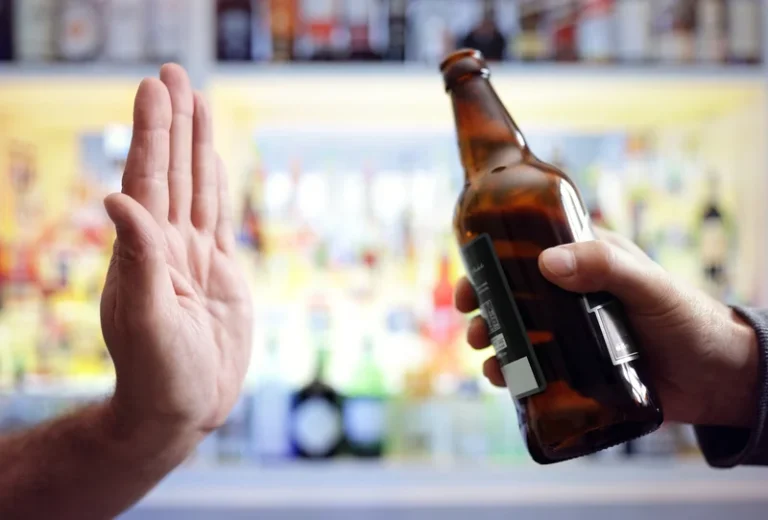
Alcohol and Addiction
- Genetic and environmental factors also play a significant role in alcohol addiction.
- These changes increase the pleasurable feelings you get when you drink alcohol.
- Research shows that there are differences in how men and women process alcohol.
A study published in November found that people with alcohol-use disorder who took a GLP-1 receptor agonist medication were less likely to be hospitalized for alcohol-related issues. Varisco points Sobriety out that the drug injections ended up reducing the number of drinks people had at a time versus the number of days that people drank. “This is similar to semaglutide’s effect on food consumption in that we see people stop eating sooner, which is how people lose weight on semaglutide,” he says.

How to Help a Family Member with Alcohol Addiction
- As tolerance builds, an individual may need more alcohol to achieve the same effects, increasing their risk of becoming physically dependent on alcohol.
- If you have a mental illness, you are already at a higher risk of becoming addicted to alcohol, and using it to feel better can make that risk much worse.
- If we’re good at dealing with those things, we’ll be mentally healthier.
Over time, a person may develop a dependence, so they need alcohol just to function because they experience withdrawal when not under the influence. The physical factors that make alcohol addictive are the release of dopamine, changes in neurotransmitter levels, building tolerance, triggering withdrawal symptoms, and altering brain structure. Alcohol alters neurotransmitter activity, builds tolerance, triggers withdrawal symptoms, and even changes brain structures, all of which induce the development https://ecosoberhouse.com/ and maintenance of alcohol addiction. These physical factors are essential for creating effective treatment strategies. Long-term alcohol addiction can lead to various serious physical and psychological effects. Physically, chronic alcohol use can damage nearly every organ in the body, with particularly detrimental effects on the liver, heart, and brain.
As a result, individuals may need to consume larger amounts of alcohol to experience the same pleasurable effects. This phenomenon, known as tolerance, can contribute to the development of addiction. As the effects of the binge wear off, the individual enters the negative affect/withdrawal stage. This stage is marked by an increase in negative emotions and physical symptoms of withdrawal, such as anxiety, irritability, nausea, and even depression. However, understanding why alcohol is addicting can be a powerful motivator for change. Recognizing that the addiction is rooted in both brain chemistry and external factors helps shift the perspective from one of blame to one of compassion and proactive care.
Leave a Reply